Difference between shake and malt often comes up when you stand at a dessert counter. Imagine you order a chocolate shake, and the server asks, “Do you want it as a malt?” You pause, unsure what that means.
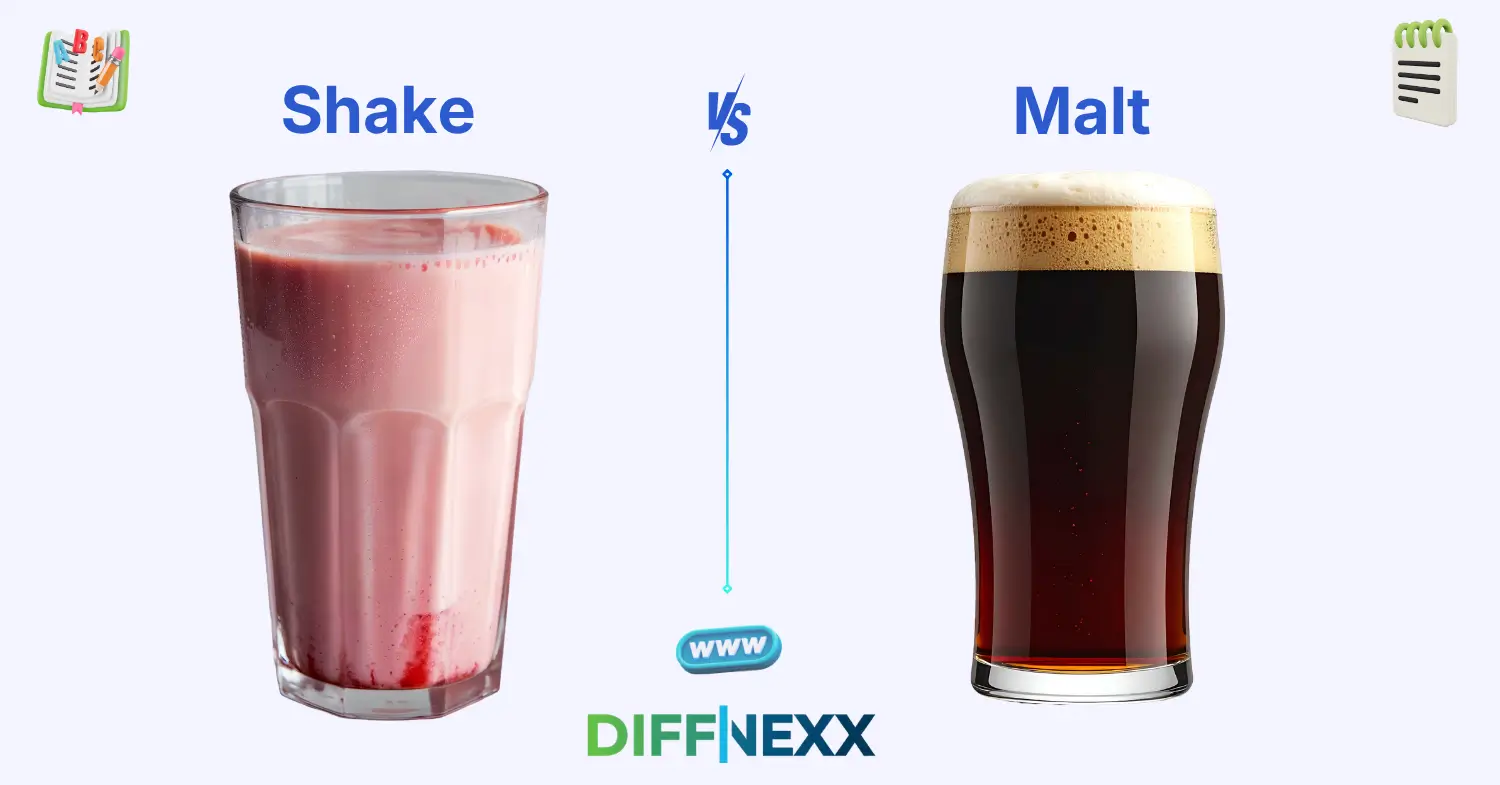
The difference between shake and malt is simple but important. A shake is a creamy drink made with milk and ice cream. A malt is a shake with an added ingredient called malt powder, which gives it a richer taste.
Many people think they are the same. However, the difference between shake and malt affects flavor, texture, and overall experience.
Let’s explore these two tasty drinks step by step. 🥤
Key Difference Between the Both
The key difference is:
- Shake: A sweet drink made with milk, ice cream, and flavoring.
- Malt: A shake with added malted milk powder for a deeper taste.
In short, a malt is a type of shake with an extra ingredient.
Importance – Why Their Difference Matters
Understanding the difference between shake and malt helps both learners and food lovers.
For students, it builds vocabulary and food knowledge. It helps them order correctly and confidently.
For professionals like chefs or servers, correct usage improves service quality. It also ensures customer satisfaction.
In society, knowing the difference improves communication. It avoids confusion in restaurants and daily conversation.
🔊 Pronunciation Section
Shake
US: /ʃeɪk/
UK: /ʃeɪk/
Malt
US: /mɔːlt/
UK: /mɒlt/
Now that you know how to pronounce them, let’s define each clearly.
📚 Core Definitions
Shake
A shake (milkshake) is a cold, creamy drink made by blending milk, ice cream, and flavors like chocolate or strawberry. It feels sweet and refreshing.
Example: A vanilla shake topped with whipped cream.
Malt
A malt is a milkshake with added malted milk powder. It has a richer, slightly nutty flavor. It feels more classic and deep in taste.
Example: A chocolate malt with a strong, toasty flavor.
📚 10 Clear Differences Between Shake and Malt
1. Main Ingredient
Shakes use milk and ice cream. Malts include malt powder.
- Example for Shake: Milk and ice cream blended.
- Example for Malt: Same base with malt added.
2. Flavor Profile
Shakes taste sweet and simple. Malts have a deeper, slightly nutty taste.
- Example for Shake: Sweet chocolate flavor.
- Example for Malt: Rich, toasted chocolate taste.
3. Texture
Shakes are smooth and creamy. Malts are slightly thicker and grainier.
- Example for Shake: Silky texture.
- Example for Malt: Slightly textured feel.
4. Popularity
Shakes are more common today. Malts are more traditional.
- Example for Shake: Found in most cafes.
- Example for Malt: Seen in classic diners.
5. Taste Complexity
Shakes have a simple taste. Malts offer layered flavors.
- Example for Shake: Straightforward sweetness.
- Example for Malt: Complex, rich flavor.
6. Ingredient Awareness
People easily recognize shakes. Malts are less familiar.
- Example for Shake: Everyone knows milkshake.
- Example for Malt: Some people ask what it is.
7. Preparation Style
Shakes are quick to make. Malts require an extra step.
- Example for Shake: Blend and serve.
- Example for Malt: Add malt powder before blending.
8. Nutritional Aspect
Malts may have slightly more nutrients due to malt powder. Shakes are mainly sweet treats.
- Example for Shake: Dessert-like drink.
- Example for Malt: Slightly enriched drink.
9. Cultural Association
Shakes are modern and global. Malts feel vintage and classic.
- Example for Shake: Popular worldwide.
- Example for Malt: Linked to old-style diners.
10. Flavor Preference
Shakes suit people who like simple sweetness. Malts suit those who enjoy bold flavors.
- Example for Shake: Kids often prefer shakes.
- Example for Malt: Adults may prefer malts.
🎯 Why Knowing the Difference Matters
Students benefit by improving vocabulary and understanding food terms. It builds confidence in real-life situations.
Professionals in food service must know the difference. It ensures accurate orders and better customer experience.
In daily life, knowing the difference helps you choose what you like. It also avoids confusion when ordering.
Real-world consequences of confusion
If you order a malt expecting a regular shake, you may not like the taste. This can affect your dining experience.
🧠 Why People Get Confused
Similar Appearance
Both drinks look almost the same.
Semantic Overlap
A malt is a type of shake, so the terms overlap.
Context-Based Usage
Menus often list them together without explanation.
Influence of Informal Speech
People use “shake” for all similar drinks.
🎭 Connotation & Emotional Tone
Connotation = the emotional meaning attached to a word.
Shake
- Positive: Fun, sweet, and refreshing.
- Example: “Let’s grab a shake after dinner.”
Malt
- Neutral to positive: Rich, classic, and nostalgic.
- Example: “I love the old-school taste of a malt.”
🗣 Usage in Metaphors, Similes & Idioms
While not common in idioms, they appear in casual comparisons:
- “Life is like a shake—sweet and enjoyable.”
- “His taste is like a malt—rich and deep.”
These show simple vs complex enjoyment.
📊 Comparison Table
| Feature | Shake | Malt |
|---|---|---|
| Meaning | Milk + ice cream drink | Shake with malt powder |
| Tone | Fun and simple | Rich and classic |
| Usage | Common dessert drink | Traditional variation |
| Context | Cafes and fast food | Diners and specialty menus |
| Formality | Casual | Slightly specific |
⚖️ Which Is Better in What Situation?
When to use Shake
Choose a shake if you want a simple and sweet drink. It is perfect for quick treats and casual cravings.
When to use Malt
Choose a malt if you want a richer and deeper flavor. It suits those who enjoy classic tastes.
Situational clarity
Shakes fit everyday choices. Malts fit special or nostalgic moments.
Contextual correctness
Use “shake” as a general term. Use “malt” when referring to the specific variation.
📖 Literary or Cultural References
- Book: The Catcher in the Rye (Fiction, J.D. Salinger, 1951)
Mentions classic diner culture with shakes and malts. - Movie: Grease (USA, 1978)
Shows 1950s diner scenes where shakes and malts are popular.
❓ FAQs
1. Is a malt the same as a milkshake?
No, a malt is a milkshake with added malt powder. This gives it a richer flavor.
2. What does malt powder taste like?
Malt powder has a slightly sweet, nutty, and toasted taste. It adds depth to the drink.
3. Which is healthier, shake or malt?
Both are treats, but malts may have slightly more nutrients. However, both should be enjoyed in moderation.
4. Can I make a malt at home?
Yes, you can add malted milk powder to your shake at home. Blend it well for best results.
5. Why are malts less popular today?
Many people prefer simple shakes. Also, not everyone is familiar with malt flavor.
🏁 Conclusion
The difference between shake and malt is simple but meaningful. A shake is a sweet, creamy drink. A malt is a richer version with added malt powder.
Both drinks are enjoyable, but they offer different experiences. Shakes are simple and fun. Malts are deep and nostalgic.
Understanding this difference helps you choose the right drink. It also improves your confidence when ordering.
Keep exploring small differences like this they make everyday life more interesting and enjoyable. 😊

Ezra Hale is a thoughtful contributor to Distinly.com, where he explores philosophical ideas and the subtle differences behind everyday concepts. His writing blends logic, language, and human insight to clarify complex distinctions. Ezra encourages readers to think deeper, question assumptions, and appreciate the meaning behind words and ideas in modern discourse.