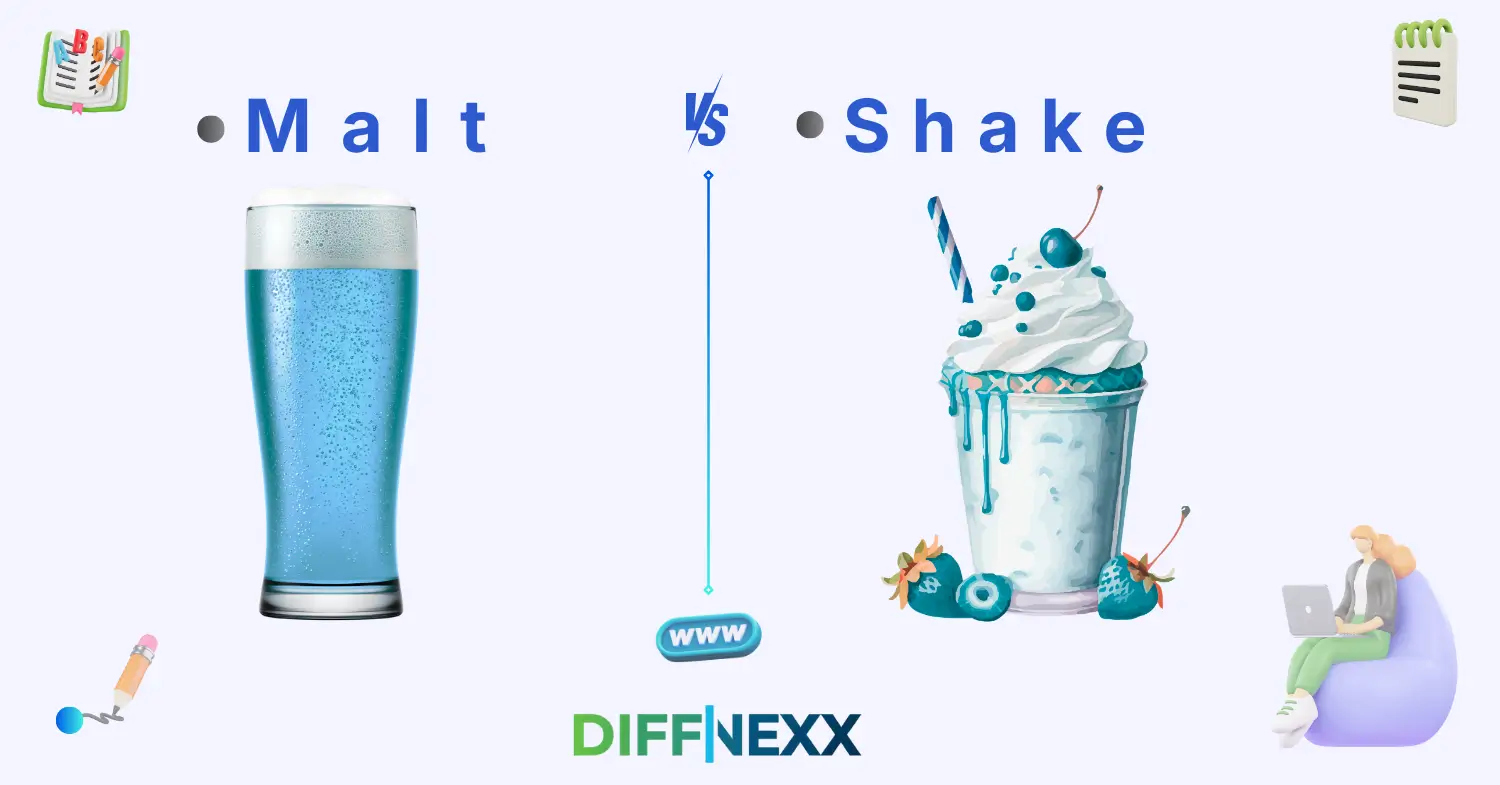
Difference between malt and shake often comes up at an old-style diner. You look at the menu. It lists “chocolate shake” and “chocolate malt.” You pause. Aren’t they the same?
Many people think a malt and a shake are identical. Both are cold, creamy drinks made with ice cream and milk. Both come in tall glasses with a straw.
Still, the difference between malt and shake is real and easy to understand. One small ingredient changes the flavor and texture. That small detail matters more than you think.
When you understand the difference between malt and shake, you order with confidence. Students, food bloggers, and curious learners also improve their vocabulary. Now let’s explore what truly sets them apart.
Key Difference Between the Two
The key difference is simple.
A shake is made with ice cream and milk. A malt includes those ingredients plus malted milk powder.
That extra powder gives a malt a richer taste and slightly thicker texture. Without it, the drink remains a classic milkshake.
Why Is Their Difference Necessary to Know
Clear food vocabulary helps learners describe tastes and recipes accurately. It improves everyday communication.
Food writers, chefs, and servers rely on precise terms. A wrong word can lead to the wrong order.
In society, food culture shapes traditions and memories. Knowing the difference helps people understand menus, cooking shows, and culinary history.
Now, let’s pronounce both words correctly before comparing them in detail.
🔊 Pronunciation
Malt
US: /mɔːlt/
UK: /mɔːlt/
Shake
US: /ʃeɪk/
UK: /ʃeɪk/
Both words are short and easy to say. Yet their meanings in food culture are distinct. Let’s define them clearly.
📚 Core Definitions
Malt
A malt, in this context, is a milkshake that contains malted milk powder. The powder adds a toasted, slightly nutty flavor. It often feels richer and more nostalgic.
Example:
Chocolate malt – It tastes deeper and slightly sweeter than a regular shake.
Shake
A shake, or milkshake, is a cold drink made by blending ice cream and milk. It has a smooth and creamy texture. It tastes sweet and simple.
Example:
Vanilla shake – It offers a classic, clean ice-cream flavor.
📚 10 Clear Differences Between Malt and Shake
1. Ingredient Focus
A malt contains malted milk powder. A shake does not include this ingredient.
Example for Malt: “I can taste the malt powder in this drink.”
Example for Shake: “This shake tastes like pure vanilla ice cream.”
2. Flavor Profile
A malt has a deeper, toasted taste. A shake tastes lighter and more straightforward.
Example for Malt: “The malt flavor reminds me of old diners.”
Example for Shake: “The strawberry shake tastes fresh and sweet.”
3. Texture
A malt is often slightly thicker due to the powder. A shake feels smooth and creamy.
Example for Malt: “The malt feels heavier with each sip.”
Example for Shake: “The shake goes easily through the straw.”
4. Sweetness Level
A malt may taste less sugary because of its nutty note. A shake often tastes sweeter.
Example for Malt: “The chocolate malt is not overly sweet.”
Example for Shake: “The caramel shake tastes very sweet.”
5. Historical Background
Malts became popular in early 20th-century soda fountains. Shakes evolved as simple blended ice-cream drinks.
Example for Malt: “My grandfather always ordered a malt in the 1950s.”
Example for Shake: “Kids today love colorful milkshakes.”
6. Popularity
Shakes are more common worldwide. Malts are popular in classic American diners.
Example for Malt: “The diner is famous for its chocolate malts.”
Example for Shake: “Every café serves milkshakes.”
7. Cultural Image
A malt often feels vintage and retro. A shake feels modern and widely available.
Example for Malt: “The malt fits the old jukebox vibe.”
Example for Shake: “The shake appears on trendy café menus.”
8. Nutritional Content
A malt may contain slightly more calories due to the powder. A shake usually has fewer ingredients.
Example for Malt: “The malt feels more filling.”
Example for Shake: “The shake works as a light dessert.”
9. Preparation Method
A malt requires blending in malted milk powder. A shake needs only ice cream and milk.
Example for Malt: “Add two spoons of malt powder.”
Example for Shake: “Blend milk and ice cream together.”
10. Taste Complexity
A malt offers layered flavor notes. A shake provides a simple, direct taste.
Example for Malt: “I notice chocolate and toasted grain flavors.”
Example for Shake: “The shake tastes purely chocolate.”
🎯 Why Knowing the Difference Matters
Students improve vocabulary and cultural awareness. Clear food terms build confidence in English.
Professionals in hospitality and culinary arts must describe menu items correctly. Accuracy improves customer satisfaction.
Clear language avoids awkward situations. Imagine ordering a malt but receiving a plain shake. Understanding prevents confusion.
Real-World Consequences of Confusion
If a café mislabels drinks, customers may feel disappointed. Clear distinction ensures better service and trust.
🧠 Why People Get Confused
Similar Appearance
Both drinks look alike. They share ice cream, milk, and toppings.
Semantic Overlap
Many menus use “shake” as a general term. Some places even call malts “milkshakes.”
Informal Speech
In daily talk, people rarely mention malt powder. They simply say “shake.”
🎭 Connotation & Emotional Tone
Connotation (bold) = the emotional meaning associated with a word.
Malt
Positive: Nostalgic and rich.
Example: “The malt tastes like childhood memories.”
Negative: Heavy or old-fashioned.
Example: “The malt feels too heavy for me.”
Neutral: A drink with malted milk powder.
Example: “He ordered a vanilla malt.”
Shake
Positive: Fun and refreshing.
Example: “The shake cooled us on a hot day.”
Negative: Too sweet.
Example: “The shake tastes too sugary.”
Neutral: A blended ice-cream drink.
Example: “She made a quick banana shake.”
🗣 Usage in Metaphors, Similes & Idioms
The word “shake” appears in many idioms, like “shake things up.”
Example: “Let’s shake things up with a new flavor.”
“Malt” appears less in idioms but carries vintage charm.
Example: “He enjoyed his success like savoring a classic malt.”
📊 Comparison Table
| Feature | Malt | Shake |
|---|---|---|
| Meaning | Shake with malt powder | Ice cream + milk drink |
| Tone | Nostalgic, rich | Fun, simple |
| Usage | Classic diners | Common worldwide |
| Context | Retro menus | Cafés, fast food |
| Formality | Informal | Informal |
⚖️ Which Is Better in What Situation?
When to Use Malt
Choose malt when you want a deeper, toasted flavor. It fits classic diners and nostalgic settings.
When to Use Shake
Choose shake for a lighter, simple drink. It works in most cafés and quick dessert orders.
Situational Clarity
If the recipe includes malted milk powder, say malt. If it does not, say shake.
Contextual Correctness
In professional menus, accuracy matters. In casual talk, people may not notice. Still, correct terms improve clarity.
📖 Literary or Cultural References
- “Lyddie” (Historical Fiction, Katherine Paterson, 1991) – Mentions simple American foods like milkshakes.
- “Grease” (USA, 1978) – Shows classic diner culture where malts were popular.
These references highlight how malts connect to retro American life.
❓ FAQs
1. Is a malt just another name for a shake?
No. A malt includes malted milk powder. A shake does not. The extra ingredient changes the flavor.
2. Does a malt taste sweeter than a shake?
Not always. A malt tastes richer and slightly nutty. A shake often tastes sweeter and simpler.
3. Can I turn a shake into a malt at home?
Yes. Add malted milk powder while blending. The flavor will change instantly.
4. Are malts healthier than shakes?
Both contain sugar and ice cream. Nutrition depends on ingredients and portion size.
5. Why are malts less common today?
Modern cafés focus on milkshakes. Malts remain popular in classic diners and specialty shops.
🏁 Conclusion
The difference between malt and shake comes down to one ingredient. Malted milk powder gives a malt its unique flavor and texture.
Shakes remain simple and sweet. Malts feel richer and nostalgic. Both drinks bring enjoyment in different ways.
When you understand the difference, you order confidently and speak more clearly. Small vocabulary details improve communication.
Next time you visit a café, try both. Taste carefully. Notice the texture and flavor. Learning through experience makes language meaningful. 🥤

Ezra Hale is a thoughtful contributor to Distinly.com, where he explores philosophical ideas and the subtle differences behind everyday concepts. His writing blends logic, language, and human insight to clarify complex distinctions. Ezra encourages readers to think deeper, question assumptions, and appreciate the meaning behind words and ideas in modern discourse.