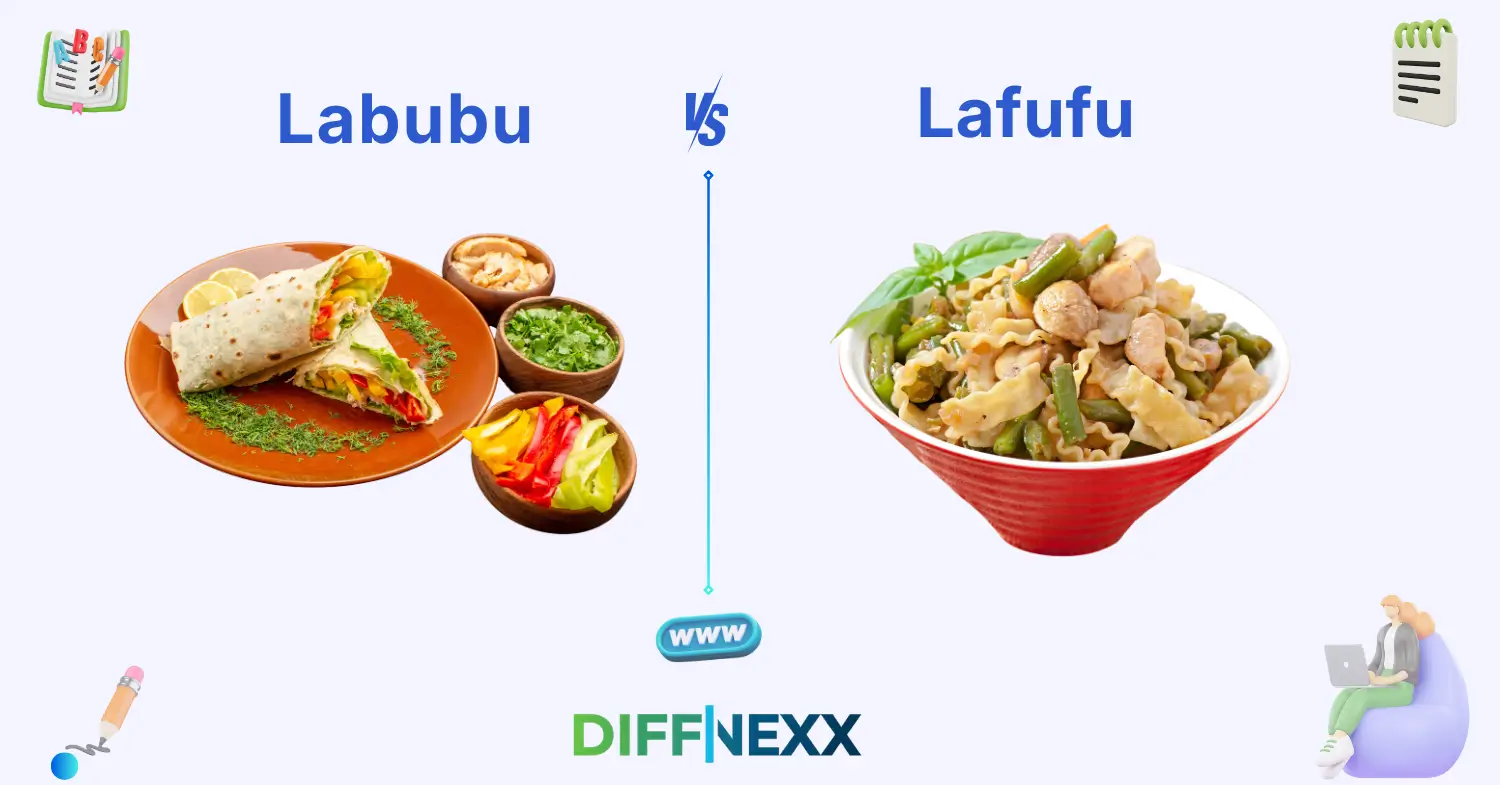
The difference between labubu and lafufu is something many food enthusiasts, students, and cultural explorers often ask about. Imagine walking into a local West African market you see two bowls of starchy, soft foods, each with a unique texture and taste, but you’re not sure which is which.
Labubu and lafufu are traditional staple foods in parts of West Africa, primarily made from starchy vegetables or grains, but they differ in preparation, consistency, and culinary use. Understanding the difference between labubu and lafufu helps you appreciate regional cuisines and cook with confidence.
The difference between labubu and lafufu is not just culinary it reflects culture, tradition, and even social practices surrounding meals. By learning the distinction, you gain insight into local cooking techniques and nutritional values.
Let’s explore how labubu and lafufu differ, why it matters, and when to use each in traditional dishes.
Key Difference Between the Both
The main difference lies in texture and preparation. Labubu is generally softer, more gelatinous, and easier to mold, while lafufu tends to be firmer and slightly elastic. These distinctions affect the types of soups or sauces they accompany.
Importance: Why Knowing Their Difference Matters
For learners, it improves cultural literacy and understanding of African cuisine.
For chefs and home cooks, it ensures proper texture, taste, and presentation in traditional meals.
Socially, recognizing these differences preserves culinary heritage and helps communities pass down recipes accurately.
Pronunciation
Labubu
- US: /ˈlæbʊbu/
- UK: /ˈlæb.juː.bu/
Lafufu
- US: /ˈlæfufu/
- UK: /ˈlæ.fu.fu/
Though their names sound similar, their textures and culinary applications are very different. Let’s define them more clearly.
Core Definitions
Labubu
Labubu is a soft, gelatinous staple made from cassava, yam, or plantain flour, often molded into small portions for soups or stews. It has a smooth, slightly sticky consistency.
Example: Labubu is typically served with light vegetable soup.
Lafufu
Lafufu is a firmer, elastic starchy food made by pounding or mixing cassava, yam, or corn flour. It holds shape better and is commonly eaten with heavier, thicker sauces.
Example: Lafufu is ideal for pairing with rich peanut or palm nut soup.
10 Clear Differences Between Labubu and Lafufu
- Emotional Intensity
- Labubu: Comforting and soft, evokes home-style meals.
Example 1: A child enjoys labubu for its smooth texture. - Lafufu: Satisfying and hearty, evokes fullness and strength.
Example 2: Lafufu is eaten after a long day of work for energy.
- Duration
- Labubu: Consumed quickly due to its soft consistency.
- Lafufu: Can be chewed slowly and lasts longer in the stomach.
- Focus
- Labubu: Focused on texture and ease of eating.
- Lafufu: Focused on firmness and elasticity.
- Severity
- Labubu: Gentle on the digestive system.
- Lafufu: More filling and robust, heavier to digest.
- Rationality
- Labubu: Suited for light soups and young children or older people.
- Lafufu: Suited for dense soups, adults, or high-energy meals.
- Formality
- Labubu: Informal, home-style preparation.
- Lafufu: Can be served in both casual and ceremonial meals.
- Context of Use
- Labubu: Light meals, breakfast, or snacks.
- Lafufu: Main meals, dinner, festive occasions.
- Psychological Impact
- Labubu: Brings comfort, nurturing feelings.
- Lafufu: Gives satisfaction, sense of strength.
- Tone
- Labubu: Gentle, soft, soothing.
- Lafufu: Bold, firm, hearty.
- Expression Style
- Labubu: Molded delicately, often in small portions.
- Lafufu: Rolled or shaped for scooping with soups.
Why Knowing the Difference Matters
Students gain cultural and culinary knowledge, appreciating traditional West African foods.
Chefs and home cooks can prepare meals correctly, respecting traditional textures and pairings.
Socially, accurate knowledge promotes heritage preservation and prevents misunderstandings in family or community meals.
Real-World Consequences of Confusion
Mixing labubu and lafufu can alter the dining experience, making a dish less enjoyable or difficult to eat with the intended sauce or soup.
Why People Get Confused
Similar Spelling or Pronunciation
Both names sound alike and refer to starchy staples, leading to casual confusion.
Semantic Overlap
Both are eaten with soups or stews, but their textures and preparation differ.
Context-Based Usage
Different regions may refer to either as “fufu,” further blurring distinctions.
Influence of Informal Speech
People often generalize all starchy staples as “fufu,” regardless of texture or preparation.
Connotation & Emotional Tone
Connotation = the emotional meaning attached to a word.
Labubu
- Positive: Comfort, ease (Example: “Labubu is perfect for soothing meals.”)
- Negative: Can be too soft for adults seeking fullness (Example: “Labubu doesn’t satisfy hunger as much.”)
- Neutral: Everyday food term
Lafufu
- Positive: Strength, fullness (Example: “Lafufu fuels a hardworking day.”)
- Negative: Heavy or sticky for some (Example: “Lafufu can feel dense for light eaters.”)
- Neutral: Traditional staple term
Usage in Metaphors, Similes & Idioms
- Labubu: “Like soft clay, easy to mold and enjoy.”
- Lafufu: “Like a strong rope, firm and sustaining.”
Comparison Table
| Feature | Labubu | Lafufu |
|---|---|---|
| Meaning | Soft, gelatinous starchy food | Firm, elastic starchy food |
| Tone | Gentle, comforting | Bold, hearty |
| Usage | Light soups, snacks, home-style meals | Main meals, thick sauces, festive meals |
| Context | Breakfast, light meals | Dinner, high-energy meals |
| Formality | Informal, home preparation | Both informal and ceremonial |
Which Is Better in What Situation?
When to Use Labubu
Best for light soups, young children, old people, or those preferring soft texture.
When to Use Lafufu
Ideal for thick, hearty soups, main meals, or people needing filling and satisfying meals.
Situational Clarity
Labubu = soft, easy to eat; Lafufu = firm, hearty. Choosing the right one improves meal enjoyment and respects tradition.
Literary or Cultural References
- Book: West African Fufu & Porridge Traditions (Cuisine, Amina Bello, 2018) – Explains labubu and lafufu.
- Movie: Fufu Stories (Nigeria, 2020) – Shows traditional preparation and eating of these staples.
FAQs
1. Are labubu and lafufu made from the same ingredients?
Yes, both often use cassava, yam, or plantain flour, but preparation techniques create different textures.
2. Can labubu become lafufu?
No, the texture difference comes from preparation methods, not just ingredients.
3. Which is healthier?
Both are nutritious; labubu is lighter and easier to digest, while lafufu provides more sustained energy.
4. Can children eat lafufu?
Yes, but labubu is often preferred for very young children due to its softness.
5. Do regions differ in naming?
Yes, some communities use “fufu” for both, which is why clarification matters.
Conclusion
The difference between labubu and lafufu lies in texture, preparation, and culinary use. Labubu is soft and gelatinous, ideal for light meals, while lafufu is firm and elastic, suited for hearty dishes.
Understanding this distinction enhances cultural literacy, improves cooking accuracy, and preserves traditional West African culinary practices.
Using the terms correctly ensures proper preparation, enjoyable meals, and respect for heritage. Embrace the difference to explore, cook, and savor these traditional staples fully.

Ezra Hale is a thoughtful contributor to Distinly.com, where he explores philosophical ideas and the subtle differences behind everyday concepts. His writing blends logic, language, and human insight to clarify complex distinctions. Ezra encourages readers to think deeper, question assumptions, and appreciate the meaning behind words and ideas in modern discourse.